
Most wellness clinic websites are attractive and vague. Soft photography, a calming palette, and a homepage that could belong to a spa, a chiropractor, or a functional medicine practice.
The ones that book appointments answer three questions fast: what do you treat, what does it cost, and who would I be seeing. Here are the eight elements that do that work.
Clarity, mostly. A visitor arrives mildly uncomfortable about a body problem and a price they can't predict. Every element below removes one reason to close the tab.
For context on what's realistic: the median landing page conversion rate for professional services is 6.1% (Unbounce). If someone promises you 30%, be skeptical.
Not "restore your balance." The conditions and treatments, in the words patients use. Someone searching for help with pelvic floor recovery or chronic migraines should see those words within two seconds.
Vague wellness language is the single most common conversion problem in this category. It tests well with the owner and poorly with strangers.
This is the highest-leverage structural decision you'll make. Practitioners surveyed for BrightLocal's Local Search Ranking Factors 2025 named dedicated pages per service the strongest influence on local organic rankings (BrightLocal).
It also converts better. A page about one treatment can answer the specific fears attached to that treatment. A services list can't.
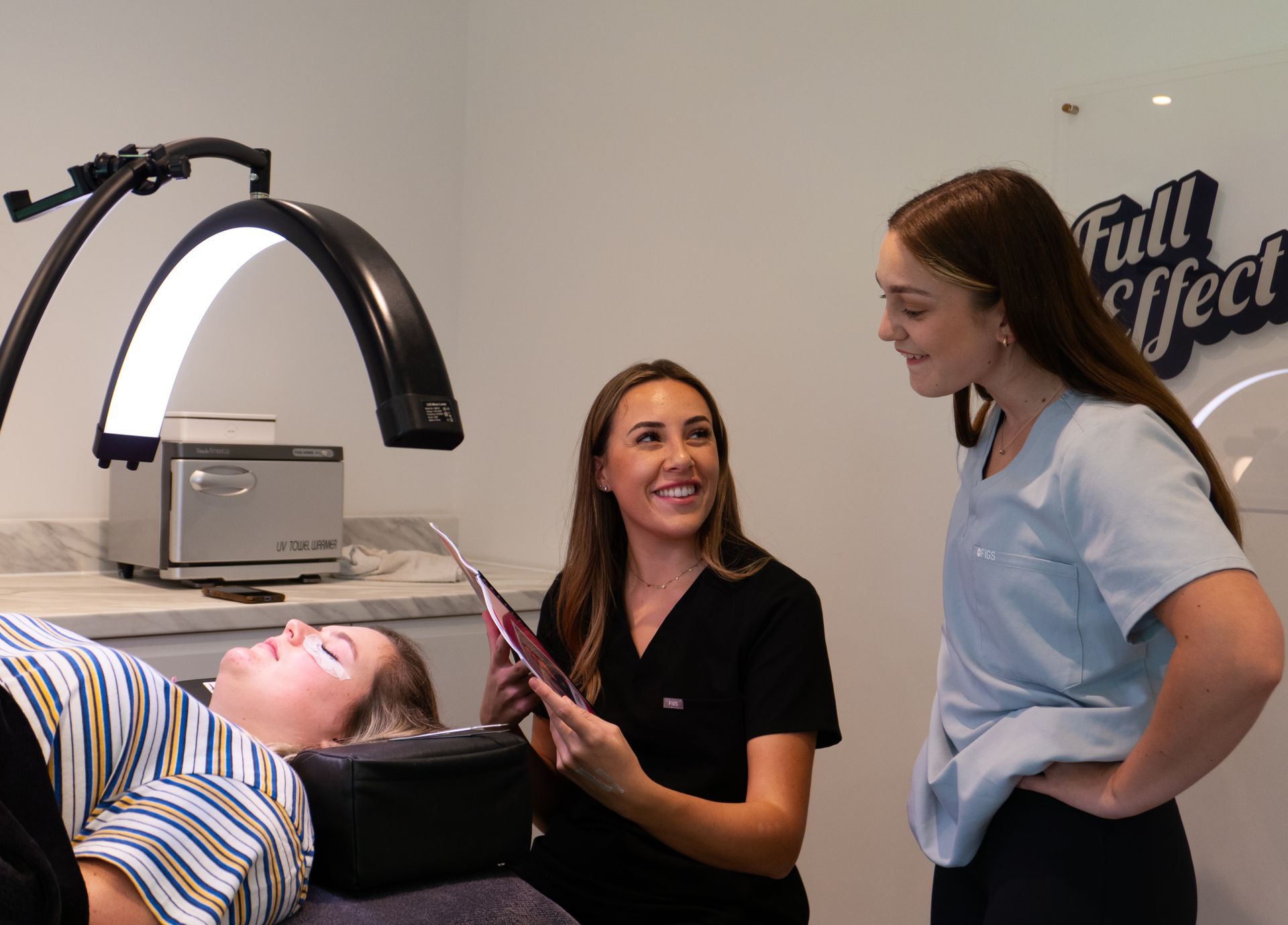
Stock photography reads as a business that hasn't opened yet. Wellness is unusually physical: people want to know what the room looks like, whether it's clean, and whether they'll feel comfortable in it.
Evidence points the same way. Research on studio members found the strongest evaluation drivers were feeling comfortable and welcome (64%) and the instructors (60%), ahead of pricing (bsport). Worth noting bsport publishes no methodology for that research, so treat it as directional. But comfort ranking above price is intuitive for anyone who's run a clinic.
Names, faces, licences, training, years practising. In a clinical setting the practitioner is the product, and an anonymous "our team" page transfers no trust at all.
Include what they're actually good at. Patients self-select toward the practitioner whose description matches their problem, which makes your intake easier too.
If booking requires a phone call during business hours, you lose the evening visitors, and evenings are when people research health problems.
Local search behaviour is fast: BrightLocal reports 84% had searched for a local business in the past three months and 75% decide which business to use in under 30 minutes (BrightLocal). A booking flow that takes longer than that decision window is a leak.
The most common objection we hear is that pricing varies. It does. Publish the range anyway, or the starting price, or a typical course of treatment.
Visitors who can't estimate cost don't call to ask. They leave and check a competitor who told them. A range plus "your first consultation will confirm this" is enough.
Reviews matter here more than almost anywhere: BrightLocal reports 97% of consumers read reviews for local businesses (BrightLocal).
But how you gather them is regulated. Google prohibits reviews posted because of "an incentive offered by a business, such as payment, discounts, or free goods or services," and prohibits requests "made selectively to solicit positive reviews" or discouraging negative ones (Google Maps contribution policies).
So no discount-for-a-review, and no asking only the patients you know are happy. Ask everyone, consistently, and fix what the bad ones tell you.
This is the element nobody covers, and it's the one with real exposure.
If your clinic is a HIPAA regulated entity, health information collected through your website can be protected health information, and HHS guidance states that disclosing PHI to tracking technology vendors for marketing purposes without individuals' HIPAA-compliant authorizations constitutes an impermissible disclosure (HHS Office for Civil Rights).
That's directly about the advertising pixels sitting on most clinic websites.
One important update, because a lot of published advice is now out of date. In American Hospital Association v. Becerra, a federal court vacated part of that guidance in June 2024, specifically the position that HIPAA obligations are triggered where a technology connects "(1) an individual's IP address with (2) a visit to a[n] [unauthenticated public webpage] addressing specific health conditions or healthcare providers" (HHS). HHS later withdrew its appeal (American Hospital Association).
What that means practically: anonymous browsing of your public treatment pages is a much weaker basis for a claim than it was. But the rest of the guidance stands, and HIPAA "continues to apply to tracking technologies on user-authenticated webpages, including patient portals and telehealth platforms" (HHS).
Two caveats worth stating plainly. First, whether your business is a HIPAA regulated entity at all depends on what you do — many wellness businesses aren't, and some are. Second, this is not legal advice. If you collect health information through a form, or run ad pixels on pages behind a patient login, confirm your position with someone qualified.
How much does a wellness clinic website cost?
It depends on how many treatments need their own page. The page count drives the cost more than the design does.
Should each treatment have its own page?
Yes. It's the strongest structural decision for both search visibility and conversion, and it lets you answer treatment-specific concerns properly.
Do I need online booking?
If you can integrate it, yes. Health research happens at night, and phone-only booking loses those visitors.
Should I publish my prices?
Publish a range or a starting price. Visitors who can't estimate the cost usually leave rather than ask.
Can I offer a discount for a review?
No. Google prohibits incentivized reviews, and it also prohibits asking only your happy patients.
Before redesigning anything, write down every treatment you want more of. That list is your page structure, and it matters more than the visual direction.
Then get pricing on the page, faces and credentials on the page, and booking that works on a phone at 10pm. If you also run ad pixels, check what they're collecting.
Related reading: our guide to studio websites that actually book classes and the local SEO checklist that gets a clinic found in the first place. If you want it built, here's how we approach custom design.
Book a 30-minute intro call and we'll tell you honestly whether you need a rebuild or three new pages.